






Jipinfeiche is more than just a term; it’s a vibrant tapestry of culture, history, and tradition. This unique element holds deep significance for the communities that cherish it. As we delve into the world of Jipinfeiche, you’ll uncover stories woven through generations. From its historical roots to modern adaptations, every thread reveals something extraordinary. Join us as we explore this fascinating cultural artifact and discover why it continues to resonate with so many today.
The History and Origin of Jipinfeiche
The history of Jipinfeiche is deeply intertwined with the cultural tapestry of its originating region. This unique tradition traces back several centuries, emerging as a vital aspect of community life.
It is believed that Jipinfeiche originated in rural areas where local artisans first crafted this distinctive form using available natural materials. Over time, it evolved from simple functional items to symbols steeped in meaning and artistry.
Various historical accounts suggest that Jipinfeiche was used not only for practical purposes but also as a medium for storytelling and expression. Each piece reflects the skills handed down through generations, marking significant events or seasonal changes.
As societies transformed over the years, so did Jipinfeiche’s role within them. What began as necessity gradually became an emblem of heritage and identity, preserving ancient customs while adapting to contemporary influences.
Traditional Uses and Significance of Jipinfeiche
Jipinfeiche holds a vital place in cultural practices and daily life. Traditionally, it has been used in various ceremonies, symbolizing unity and community.
In many regions, Jipinfeiche serves as a medium for storytelling. Elders pass down legends and folklore through intricate designs crafted from this material. These stories weave the fabric of local identity.
Additionally, Jipinfeiche plays an essential role in agricultural rituals. Farmers incorporate it into their harvest celebrations to give thanks for bountiful crops and seek blessings for future yields.
Artisans also utilize Jipinfeiche to create unique handicrafts that reflect regional heritage. These pieces are not just decorative; they carry significant meaning within the culture.
From marriage ceremonies to seasonal festivities, the presence of Jipinfeiche enriches these events with deep-rooted significance that resonates with all generations involved. Its versatility continues to inspire creativity while honoring traditions passed through time.
Modern Adaptations and Innovations
In recent years, Jipinfeiche has experienced a renaissance. Contemporary artisans are experimenting with its traditional uses, blending old techniques with new materials. This fusion not only preserves the craft but also attracts younger generations.
Innovations have sparked interest across various platforms. Social media plays a pivotal role in showcasing unique Jipinfeiche creations. Artists share their processes and designs, expanding reach beyond local communities.
Moreover, eco-friendly approaches have emerged. Sustainable practices ensure that Jipinfeiche remains relevant in an environmentally conscious market. Using natural dyes and locally sourced materials resonates well with consumers today.
Collaborations between artists and designers are flourishing too. These partnerships breathe fresh air into Jipinfeiche, leading to modern applications such as fashion accessories and home decor items that appeal to diverse audiences.
This dynamic evolution of Jipinfeiche showcases its potential while honoring its rich heritage.
Cultural Celebrations and Rituals Involving Jipinfeiche
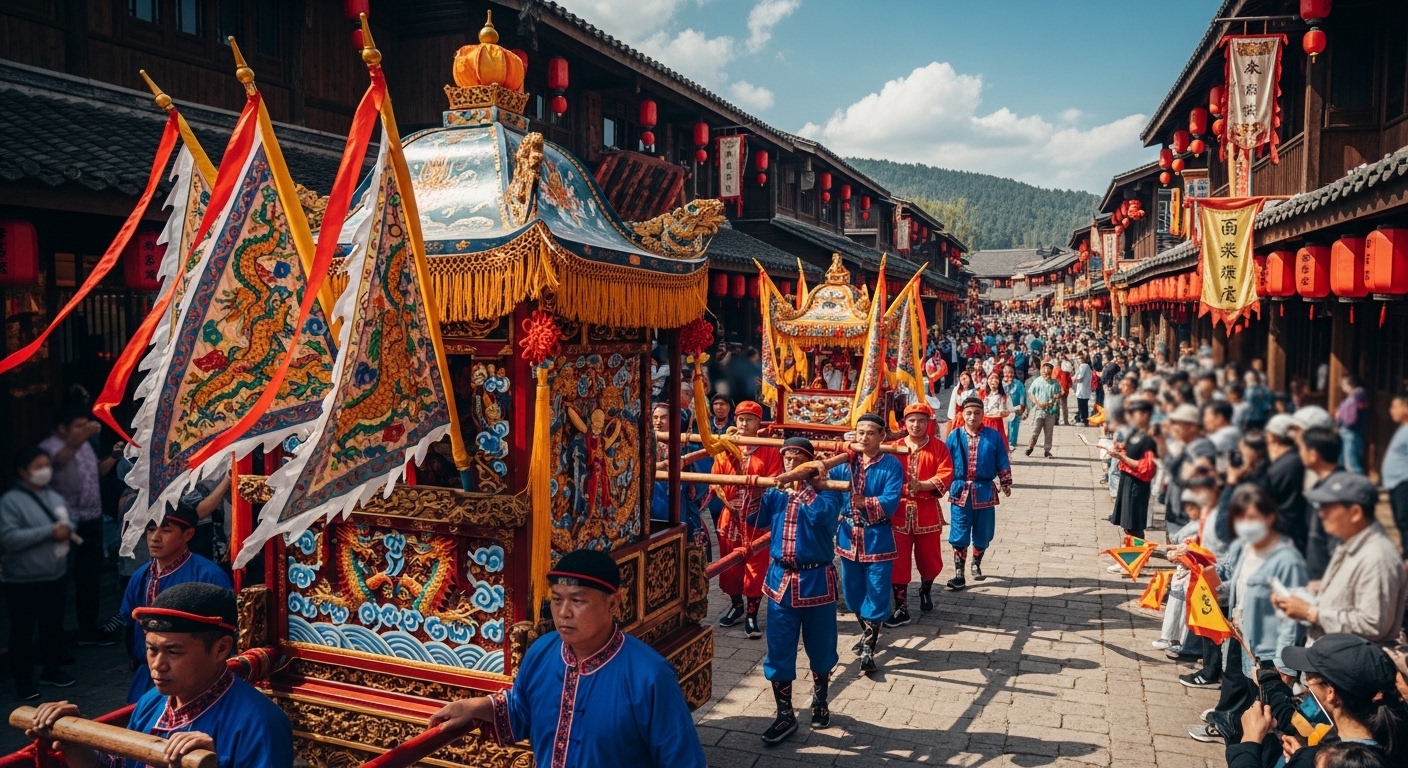
Cultural celebrations surrounding Jipinfeiche are vibrant and deeply rooted in tradition. These events bring communities together, showcasing the unique heritage associated with this cultural artifact.
During various festivals, locals display intricate Jipinfeiche pieces. Artisans often demonstrate their craftsmanship to eager audiences. This hands-on experience fosters appreciation for the art form.
Rituals involving Jipinfeiche vary by region but share common themes of unity and respect for ancestors. Dances and music echo through the air as participants honor both history and creativity.
Ceremonies may also include offerings made from or inspired by Jipinfeiche. These acts symbolize gratitude and connection to their roots, reinforcing community bonds.
Such festivities not only celebrate the item itself but also educate younger generations about its significance. As families gather, stories are shared – weaving a tapestry of culture that keeps traditions alive amidst modern influences.
Impact on Local Economy and Tourism
Jipinfeiche plays a vital role in boosting the local economy. This traditional craft attracts visitors from various regions, eager to experience its unique charm.
As tourists flock to see Jipinfeiche artisans at work, they also support nearby businesses. Restaurants, shops, and hotels benefit directly from the influx of visitors seeking authentic experiences.
Local markets often feature Jipinfeiche products, further stimulating economic growth. Artisans gain recognition and sales opportunities that elevate their status within the community.
Cultural tours centered around Jipinfeiche have emerged as popular attractions. These tours not only educate guests about its history but also encourage sustainable practices among locals.
The impact extends beyond economics; it fosters pride within the community too. Residents take great joy in sharing their heritage with outsiders while preserving traditions for future generations.
Preservation Efforts and Future Prospects for Jipinfeiche
Preservation efforts for Jipinfeiche are gaining momentum as communities recognize its cultural value. Local organizations and artisans collaborate to keep traditional techniques alive. Workshops are held regularly, attracting both young and old.
In addition, digital platforms play a crucial role in spreading awareness. Social media campaigns showcase the beauty of Jipinfeiche, reaching global audiences. This exposure encourages tourism and interest among collectors.
Moreover, educational programs have emerged in schools to teach students about this heritage craft. By integrating it into curriculums, future generations can appreciate its significance.
Looking ahead, there’s potential for innovation within the realm of Jipinfeiche. Artists experiment with materials and designs while staying true to tradition. Events dedicated to contemporary interpretations also draw attention.
Such initiatives not only celebrate Jipinfeiche but also ensure it thrives in an ever-changing world. The commitment from local communities signals a bright future ahead for this unique cultural expression.
Conclusion
Jipinfeiche is more than just a cultural artifact; it embodies the rich heritage and traditions of those who cherish it. Its history tells a story of resilience and adaptation, reflecting how communities have honored their past while embracing modernity. As society evolves, so too does Jipinfeiche, finding its place in contemporary life through innovative uses.
Cultural celebrations centered around Jipinfeiche foster community bonds and allow for the sharing of stories across generations. The impact on local economies cannot be understated either; tourism driven by this unique feature shines a light on the artistry and craftsmanship behind it.
Preservation efforts are crucial to maintaining this important aspect of culture for future generations. As interest grows globally, there is hope that Jipinfeiche will continue to thrive as both an emblematic symbol and an integral part of daily life. Whether you encounter it at festivals or in homes, Jipinfeiche remains a testament to human creativity and communal spirit.