





In the vibrant world of anime fandom, a fascinating phenomenon has emerged: Doujin Moe. This unique blend of DIY culture and creative expression is revolutionizing how fans engage with their favorite series and characters. It’s not just about enjoying existing content; it’s about creating new narratives, art, and experiences that resonate deeply within the community.
From amateur artists pouring their passion into handmade books to dedicated fans collaborating on ambitious projects, Doujin Moe encapsulates the spirit of artistic freedom. As we dive deeper into this captivating realm, we’ll explore its roots in doujinshi—the self-published works that have sparked an entire subculture—alongside its influence on both creators and audiences alike. Prepare for a journey through creativity, collaboration, and cultural impact in the ever-evolving landscape of anime fandom!
The history of doujinshi and its evolution into a cultural phenomenon
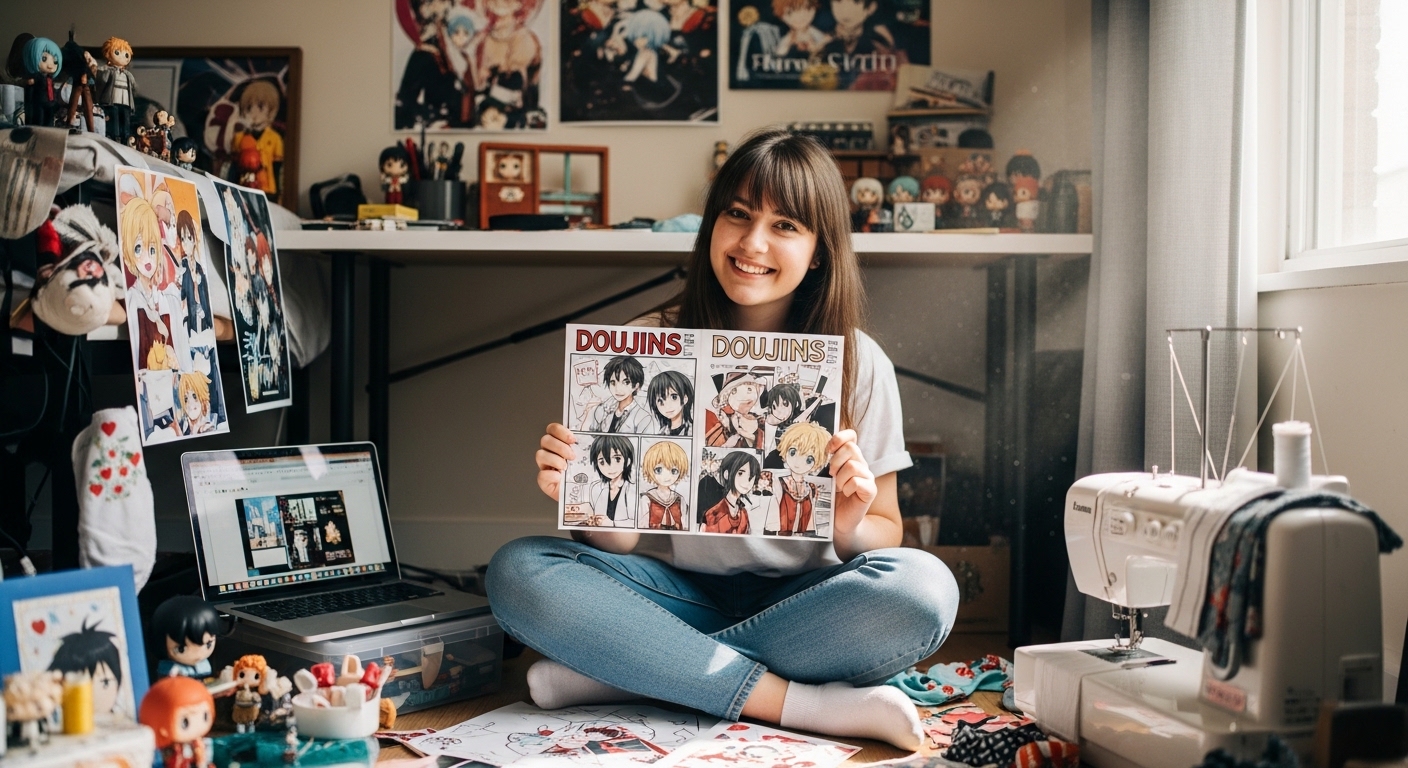
Doujinshi has roots that stretch back to the late 20th century in Japan. Initially, it began as a grassroots movement among fans who wanted to express their love for anime and manga. These self-published works were often created by amateurs and distributed at conventions.
As technology advanced, so did doujinshi. The internet opened up new avenues for sharing and selling these creations. Platforms like Pixiv allowed artists to showcase their work globally, fostering vibrant communities of creators.
Over time, doujinshi evolved from simple fan art into complex narratives exploring various themes and genres. This shift marked its transformation into a cultural phenomenon that transcended traditional boundaries of fandom.
Today, the impact of doujinshi is undeniable. It serves as both inspiration and innovation within the anime sphere, influencing mainstream productions while giving rise to countless independent creators eager to tell their own stories.
The impact of doujinshi on the anime industry and fan communities
Doujinshi has become a significant force in the anime industry, reshaping how creators and fans interact. Independent artists use doujinshi to express their creativity and explore narratives outside mainstream constraints. This freedom allows for innovative storytelling that often resonates deeply with niche audiences.
Fan communities thrive on this exchange of ideas. Doujin events like Comiket draw thousands, fostering connections between creators and dedicated followers. These gatherings celebrate individuality while showcasing emerging talent.
Moreover, established franchises have recognized the value of doujinshi as well. Many creators find inspiration from fan works, leading to collaborations or spin-offs that enrich original series.
The impact extends globally too; international fans eagerly consume doujin works online, contributing to a vibrant cross-cultural dialogue within the fandom landscape—one that celebrates diversity and encourages artistic exploration across borders.
How DIY culture has given rise to new artists and creators in the anime world
DIY culture has become a powerful force in the anime community. It allows passionate fans to express their creativity without needing formal support or backing. This freedom fosters innovation and unique storytelling.
Many artists start by creating doujinshi, fan-made comics that explore alternative narratives or characters from popular series. These grassroots efforts often lead to unexpected success and recognition.
Online platforms like social media play a crucial role here. Artists can share their work instantly, reaching audiences far beyond traditional conventions. The feedback loop is immediate, encouraging budding creators to refine their skills and experiment with new ideas.
Additionally, collaborations are blossoming within this DIY ecosystem. Creators mix styles and genres, leading to fresh perspectives on familiar themes. With each new project, they push the boundaries of what anime can be while staying true to its roots.
The challenges and controversies surrounding doujinshi and DIY culture
Doujinshi fosters creativity and self-expression, but it isn’t without its challenges. One notable concern is copyright infringement. Many doujin artists base their works on existing series, which can lead to disputes with original creators and production companies.
Another issue is the varying quality of doujin content. While some works shine with artistry and storytelling, others may lack polish or professionalism. This inconsistency can sometimes deter new fans from embracing doujin culture.
Then there’s the question of accessibility. Some artists face hurdles in distributing their work due to financial constraints or limited platforms for sharing their creations. These barriers can stifle innovation within this vibrant community.
Controversial themes often arise too—certain doujins explore sensitive subjects that spark debate among fans. Balancing artistic freedom with respect for diverse perspectives remains an ongoing conversation in the fandom landscape.
Global reach of doujinshi and its influence on international fans
Doujinshi has transcended borders, captivating fans worldwide. What began as a niche Japanese phenomenon now thrives in global communities.
International conventions frequently feature doujin booths, showcasing the creativity of artists from various countries. This cross-cultural exchange enriches both creators and consumers.
Social media platforms have played a vital role in spreading doujin works far and wide. Fans share their favorite pieces, fostering connections that span continents.
Many Western artists are inspired by this DIY culture, leading to unique interpretations of popular anime themes. They merge local influences with traditional styles, creating something refreshingly new.
Furthermore, the accessibility of digital distribution means that anyone can explore this vast ocean of creativity without geographical limitations. The impact is profound; it nurtures appreciation for diverse artistic expressions within the fandom community.
Conclusion
Doujin Moe represents a vibrant intersection of DIY culture and anime fandom. Its roots in doujinshi have blossomed into an expansive community that thrives on creativity and self-expression. As fans create their own narratives, art, and merchandise, they breathe new life into the anime landscape.
The impact of doujinshi on the industry has been profound. It allows emerging artists to gain visibility while offering fans unique interpretations of beloved characters and stories. This surge in grassroots content creation encourages diversity within the genre, showcasing voices that may otherwise go unheard.
However, navigating this rich tapestry isn’t without its obstacles. Issues around copyright, distribution rights, and ethical considerations often spark debates within fan communities. These controversies underscore the complexities faced by creators trying to honor original works while contributing their own artistic visions.
Despite these challenges, the global reach of doujinshi continues to expand. Fans across continents are discovering this creative outlet through conventions, online platforms, and social media channels. The cross-cultural exchange enriches both local scenes and international perspectives.
As more individuals engage with Doujin Moe’s spirit of collaboration and innovation, it becomes clear that DIY culture is not just reshaping how we interact with anime but also redefining what it means to be a fan in today’s interconnected world.