






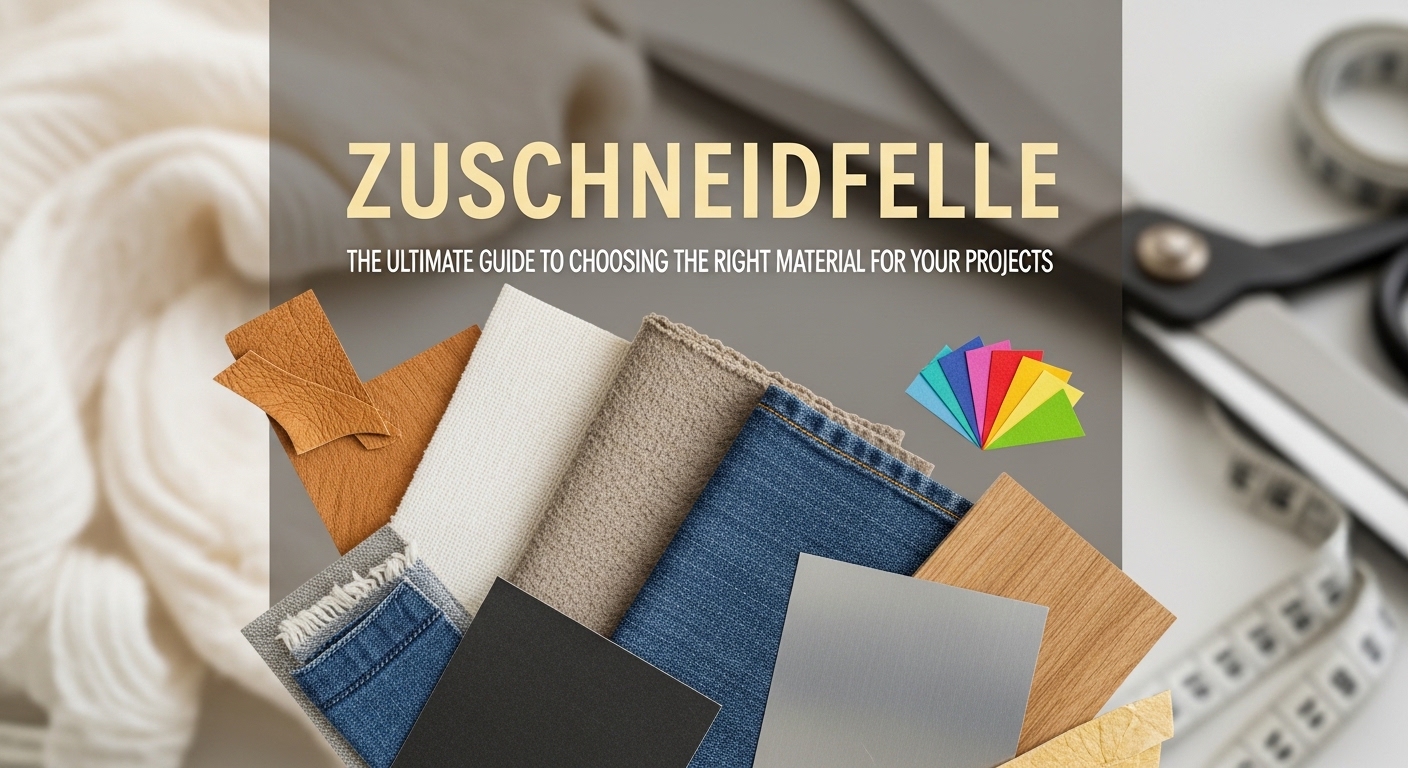
Are you ready to take your crafting and DIY projects to the next level? If so, understanding Zuschneidfelle is essential. These versatile cutting mats are a game changer for anyone who works with fabric, paper, or other materials. The right Zuschneidfelle can make all the difference in achieving precise cuts and protecting your work surface.
But what exactly are Zuschneidfelle? And how do you choose the perfect one for your needs? Whether you’re a seasoned crafter or just starting out, this ultimate guide will walk you through everything you need to know about these handy tools. From different types of materials available to tips on maintenance, we’ve got you covered every step of the way. Get ready to unlock the potential of your projects!
What are Zuschneidfelle?
Zuschneidfelle, or cutting mats, are essential tools for anyone involved in crafts and DIY projects. They provide a durable surface that protects your work area while allowing for precise cuts.
These mats come in various sizes and thicknesses, catering to different types of materials. From fabric to paper, Zuschneidfelle ensure clean edges with minimal wear on blades.
One of the key features is their self-healing property. When you cut into them, they close up around the blade mark, prolonging their lifespan and maintaining a smooth cutting surface.
Many Zuschneidfelle also have printed grids or measurements to assist with alignment and accuracy during projects. This feature is particularly useful for tasks requiring precision like quilting or model making.
In essence, Zuschneidfelle streamline the crafting process while safeguarding both your workspace and tools from damage.
The Different Types of Material
Zuschneidfelle come in various materials, each offering unique advantages. Leather is a popular choice due to its durability and classic aesthetic. It holds up well against wear and tear while providing a superior cutting surface.
Synthetic options like PVC or rubber are also widely used. These materials tend to be more affordable and often provide excellent non-slip properties. They’re great for projects where precision is key.
Then there’s felt, which offers a softer touch. It’s perfect for delicate tasks that require gentle handling of surfaces.
For eco-conscious creators, bamboo or cork Zuschneidfelle may appeal as sustainable alternatives. Both materials are lightweight yet sturdy.
Understanding these different types can help you find the right fit for your specific needs, enhancing both functionality and enjoyment in your crafting journey.
How to Choose the Right Material for Your Project
Choosing the right material for your Zuschneidfelle is essential. Start by assessing the nature of your project. Are you working with delicate fabrics or heavier materials?
Consider how frequently you’ll use these cutting mats. For daily projects, durability becomes a top priority.
Think about flexibility, too. Some tasks require more adaptability in the material than others.
Next, evaluate your workspace environment. Will you be using it indoors or outdoors? Certain materials perform better under specific conditions.
Don’t overlook maintenance needs as well. Some Zuschneidfelle demand regular care to ensure longevity while others are virtually hassle-free.
Weigh any budget constraints against quality and performance requirements. Balancing these aspects will help you make an informed decision that aligns perfectly with your project goals.
Top Factors to Consider When Choosing Zuschneidfelle
When selecting Zuschneidfelle, the first factor to consider is the intended use. Different projects require specific materials that can handle various stresses.
Next, think about durability. High-quality Zuschneidfelle will withstand wear and tear over time, ensuring your investment pays off in longevity.
Texture is another critical element. Some projects may benefit from a smoother surface while others might need more grip for safety and precision during cutting.
Weight plays an important role too. Heavier materials provide stability on work surfaces but can be cumbersome if you need portability.
Budget cannot be overlooked. There’s a wide array of options available at different price points, so balancing cost with quality is vital for any project’s success.
Common Mistakes to Avoid When Choosing Material
When selecting Zuschneidfelle, many people overlook the importance of quality. Settling for cheaper materials can lead to poor performance and durability issues.
Another common mistake is neglecting the specific needs of your project. Each material has unique properties that suit different applications. Ignoring these characteristics might result in unsatisfactory outcomes.
Failing to consider compatibility with tools is also a frequent error. Not all Zuschneidfelle work well with every cutting tool or technique, which can hinder your workflow.
Some individuals forget to think about long-term use. Choosing materials without considering their lifespan may cause you to replace them sooner than expected.
Skipping user reviews and recommendations can limit your knowledge base. Insights from others who have used various Zuschneidfelle can guide you toward the best choices for your projects.
Tips for Maintaining and Caring for Your Zuschneidfelle
To keep your Zuschneidfelle in top shape, regular cleaning is essential. Use a damp cloth to wipe away dust and debris after each use. This prevents buildup that can affect performance.
Store your Zuschneidfelle flat or rolled up to avoid creasing. When properly stored, they’ll maintain their shape longer and provide better results for your projects.
Avoid exposing the material to extreme temperatures or direct sunlight. High heat can warp or damage the surface, reducing its effectiveness over time.
If you notice any cuts or wear, repair them promptly with appropriate adhesive designed for fabric materials. Addressing small issues early helps extend the life of your Zuschneidfelle significantly.
Always refer to specific care instructions provided by the manufacturer. Each type may have unique requirements that ensure longevity and optimal functionality.
Conclusion
Choosing the right Zuschneidfelle can significantly impact the success of your projects. Understanding what these materials are and the different types available helps set a solid foundation. Each material has its unique characteristics, making it suitable for various applications.
When selecting Zuschneidfelle, remember to consider factors such as durability, thickness, and price. Avoid common pitfalls by doing thorough research and asking for recommendations if needed. Proper maintenance will also extend the life of your chosen material, ensuring that you get the most out of your investment.
With this guide in hand, you’re now equipped to make informed decisions about Zuschneidfelle that align with your specific needs and project goals. Whether you’re an experienced craftsman or just starting out, choosing wisely will lead to better results in every endeavor. Happy crafting!