






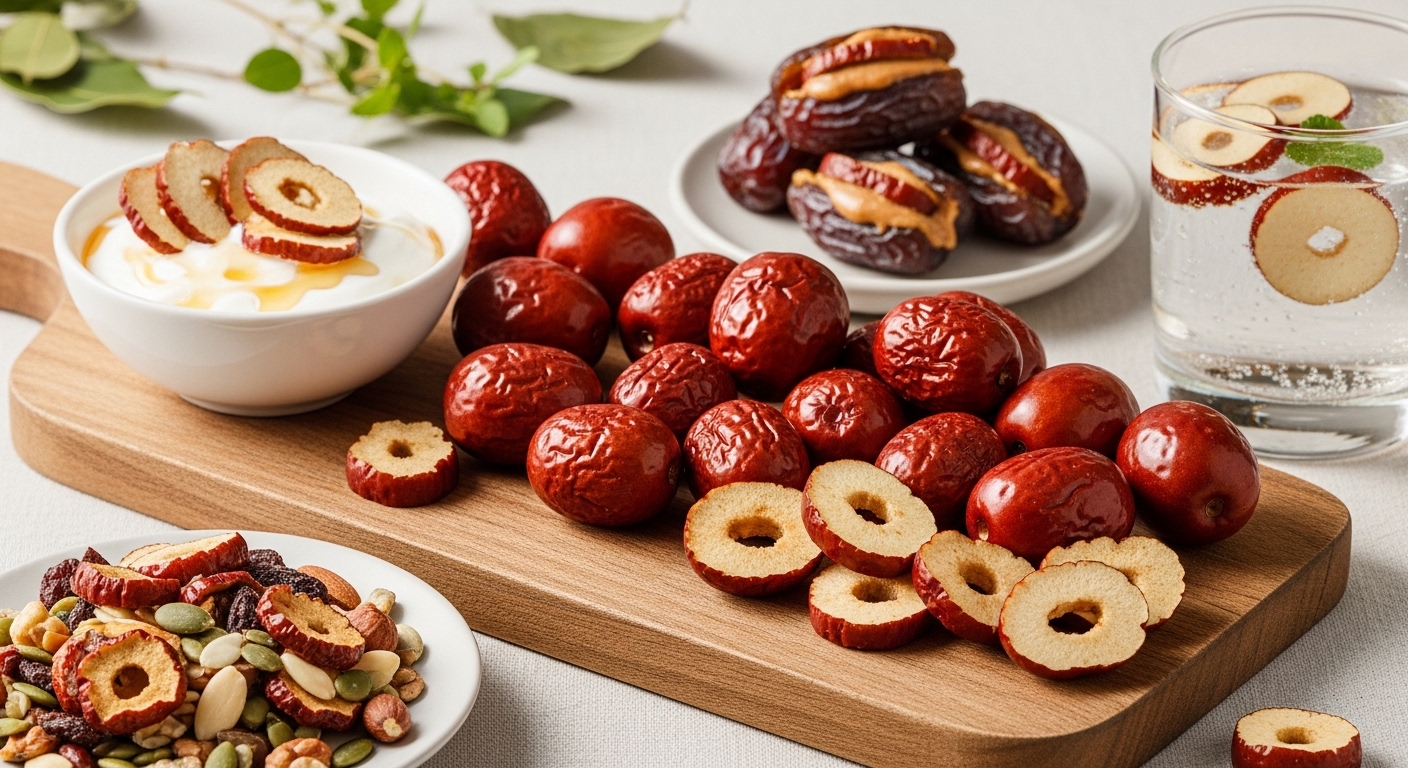
When entrepreneurs think about trending superfoods, few realize the global potential of ingredients like Žižole. Hailing from centuries-old agricultural traditions, this dried jujube has quietly made its way into contemporary kitchens, wellness routines, and even upscale cafes. Its sweet, slightly tangy profile and impressive nutrient content are catching the eye of health-conscious consumers and culinary innovators alike. For business leaders and food entrepreneurs, understanding how Žižole can be served—and marketed—is more than a culinary curiosity; it’s a strategic insight into a rising wellness trend.
The Rise of Žižole in Modern Cuisine
Žižole, the dried form of the jujube fruit, has been celebrated for its health benefits across Asia for generations. Rich in antioxidants, vitamin C, and minerals like potassium and iron, it has long been used as a natural remedy to boost immunity and energy. Today, chefs and nutritionists are exploring ways to incorporate it into contemporary diets. From tea infusions to energy snacks, the fruit is making its mark in cafes, health stores, and gourmet kitchens worldwide.
Its versatility makes it a compelling ingredient for startups and food brands looking to differentiate themselves. Unlike other dried fruits that compete mainly on sweetness, Žižole offers a balance of flavor and health benefits, which can resonate with consumers seeking functional foods that do more than satisfy hunger.
Creative Serving Ideas for Entrepreneurs and Home Chefs
Integrating Žižole into menus or product lines requires both creativity and an understanding of consumer preferences. Here are several serving ideas gaining traction:
-
Infused Beverages – Soaking Žižole in hot water releases a natural sweetness, creating a soothing tea. Pairing it with ginger or lemongrass elevates the flavor and wellness appeal.
-
Healthy Snacks – Blending chopped Žižole with nuts and seeds forms a nutrient-packed trail mix. Its chewy texture contrasts well with crunchy ingredients, creating an addictive snack.
-
Desserts and Baking – Incorporate Žižole into muffins, energy bars, or compotes. Its natural sweetness can reduce the need for added sugars.
-
Savory Pairings – Use Žižole in stews or rice dishes. It complements meats like chicken and pork, providing subtle sweetness and a nutrient boost.
Table: Nutritional Snapshot of Žižole (per 100g)
| Nutrient | Amount |
|---|---|
| Calories | 79 kcal |
| Vitamin C | 69 mg |
| Potassium | 250 mg |
| Iron | 0.5 mg |
| Fiber | 3.6 g |
This concise profile shows why Žižole is not just a flavorful ingredient but also a smart nutritional choice for health-focused product development.
Marketing Žižole to Modern Consumers
Beyond culinary applications, the success of Žižole in the market hinges on storytelling. Highlighting its heritage, health benefits, and versatility can help brands position it as a premium, functional food. Social media campaigns showcasing creative recipes, limited-edition snack mixes, or artisanal teas can generate both awareness and engagement. For startups, pairing Žižole with other trending ingredients—like matcha, goji berries, or quinoa—can expand its appeal to adventurous consumers.
Sustainability and Sourcing Considerations
For founders in the food sector, sourcing Žižole responsibly is crucial. Opting for suppliers who practice sustainable cultivation ensures product quality while appealing to environmentally conscious consumers. Transparency in sourcing not only builds trust but can also justify premium pricing in competitive markets.
Conclusion
Žižole represents more than a dried fruit; it’s an opportunity for innovation at the intersection of health, taste, and entrepreneurship. By thoughtfully incorporating it into beverages, snacks, and dishes, businesses can leverage its nutritional appeal while offering consumers a unique culinary experience. For health-focused startups and established brands alike, embracing Žižole is a strategic move that combines tradition, wellness, and market insight.