






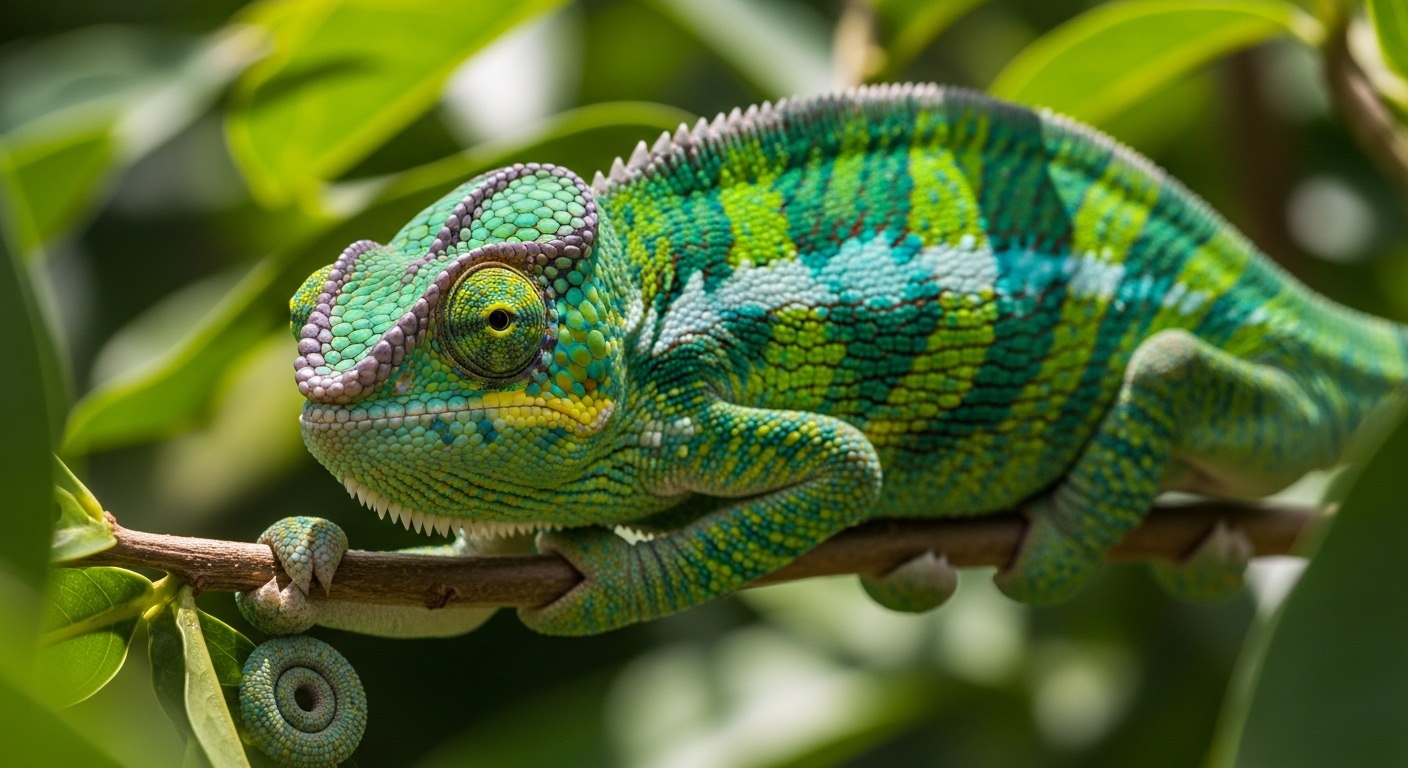
Chameleónovité, the mesmerizing reptiles that captivate both scientists and nature enthusiasts alike. With their ability to change colors and blend seamlessly into their surroundings, these remarkable creatures have an allure that is hard to resist. From vibrant greens to striking blues and even fiery reds, chameleons are not just a feast for the eyes; they embody a fascinating world of adaptation and survival.
But there’s so much more to these incredible reptiles than meets the eye. As we delve deeper into the lives of chameleons, we’ll uncover their unique physical characteristics, explore their natural habitats around the globe, and unravel their intricate feeding habits. Discover how they communicate with each other in ways you might never have imagined—and learn about the conservation efforts aimed at protecting them.
Join us on this journey as we peel back the layers of mystery surrounding chameleónovité!
Physical Characteristics and Adaptations
Chameleónovité exhibit a stunning array of physical characteristics that make them truly unique. Their most iconic feature is their ability to change color, which serves multiple purposes such as camouflage and communication. This remarkable skill comes from special pigment cells known as chromatophores.
These reptiles possess zygodactylous feet, allowing for a firm grip on branches and leaves. Each foot has three toes facing forward and two backward, enhancing their climbing abilities in treetop habitats.
Another fascinating adaptation is their long, prehensile tails. These tails provide balance and stability while navigating through the dense foliage.
Their eyes are perhaps one of the most extraordinary adaptations—each can move independently. This gives chameleons a nearly 360-degree field of vision, enabling them to spot predators or prey with ease.
With these specialized traits, chameleónovité thrive in various environments across Africa, Madagascar, and parts of Europe and Asia.
Habitat and Distribution of Chameleons
Chameleons are primarily found in warm, tropical regions. They thrive in the lush forests of Madagascar, which is home to more than half of all chameleon species. Their vibrant colors and unique adaptations make them perfectly suited for life in these environments.
Beyond Madagascar, you can find chameleons across Africa and parts of the Middle East. Some species inhabit dry deserts or mountainous areas, showcasing their remarkable ability to adapt.
These reptiles prefer habitats that offer plenty of foliage for camouflage and hunting. Dense vegetation provides both shelter from predators and a rich source of insects for feeding.
While many enjoy arboreal lifestyles high up in trees, others may be ground-dwelling or even semi-desert dwellers. This diverse distribution highlights their evolutionary success across various ecosystems around the world.
Feeding Habits and Diet
Chameleons are primarily insectivorous, meaning they feast on a variety of insects. Crickets, flies, and grasshoppers make up the bulk of their diet.
Their hunting style is fascinating. Chameleons use their long, sticky tongues to capture prey from a distance. This incredible adaptation allows them to snatch food without moving much at all.
Some larger species are known to consume small vertebrates like lizards or even birds. Their ability to adapt their diet based on availability showcases their resourcefulness.
Hydration plays an essential role in their feeding habits too. Chameleons often drink water droplets that form on leaves after rain or misting, reinforcing the importance of moisture in their habitat for survival.
Interestingly, chameleons exhibit selective feeding behavior. They can discern between different types of prey based on size and movement speed, ensuring they choose meals that suit both nutritional needs and energy expenditure efficiently.
Chameleon Communication and Social Behavior
Chameleons are fascinating creatures, not just for their color-changing abilities but also for how they communicate. These reptiles have developed a complex social behavior that relies heavily on visual signals.
Color changes play a crucial role in their interactions. A vibrant hue might signal aggression or readiness to mate, while softer tones can indicate submission or relaxation. Observing these shifts offers insights into their emotional states.
Body language is another key aspect of chameleon communication. They use posture and movements to express dominance or fear. When threatened, a chameleon may puff up its body and hold its head high.
Vocalizations are rare among chameleons, but some species do produce sounds during mating rituals or territorial disputes. Their primary form of interaction remains visual, making each encounter unique and intriguing to witness in the wild.
Reproduction and Mating Strategies
Chameleons possess intriguing reproductive strategies that vary across species. Most are oviparous, laying eggs in hidden nests, while a few are livebearers. This difference adds to the allure of these reptiles.
Mating rituals can be dramatic. Males often display vibrant colors and engage in head-bobbing to attract females. These displays signal health and genetic fitness, crucial for successful reproduction.
Once a female selects her mate, he may follow her closely to ensure his chance at copulation. After mating, she carefully buries her eggs in soft soil or leaf litter—an instinctual act designed to protect them from predators.
The incubation period can take weeks or months depending on environmental conditions. When hatchlings emerge, they face immediate challenges as they navigate their new world alone without parental guidance. The early stages of life are critical for survival and growth into adulthood.
Conservation Efforts for Chameleons
Chameleons are facing significant threats due to habitat destruction, climate change, and the pet trade. Conservation efforts are crucial for their survival.
Various organizations have stepped up to protect these remarkable reptiles. Initiatives include habitat restoration projects that aim to preserve natural environments where chameleons thrive.
Education plays a vital role as well. Raising awareness about the importance of chameleons in ecosystems helps foster respect and understanding among local communities.
Additionally, some species benefit from legal protections that restrict their capture and trade. Captive breeding programs also serve as a safety net for endangered species.
Collaborative efforts involving governments, NGOs, and researchers create a stronger network focused on conservation goals. By pooling resources and knowledge, they aim for sustainable solutions that can secure the future of chameleons worldwide.
Misconceptions about Chameleons
Many people believe that chameleons change color to blend in with their surroundings. While it’s true they can alter their hues, this ability primarily serves social and emotional purposes rather than camouflage.
Another common misconception is that all chameleons are slow and sluggish creatures. In reality, some species are quite agile. They can move quickly when necessary, especially when capturing prey.
Chameleons are also thought to have a long tongue for catching insects. Though impressive, their tongues only extend about twice the length of their body—not as exaggerated as many assume.
Some believe these reptiles make poor pets due to being temperamental or difficult to care for. With proper knowledge and environment, they can thrive and display fascinating behaviors that pet owners find rewarding.
Fascinating Facts about Chameleons
Chameleons are not just masters of disguise; they possess some truly remarkable abilities. For instance, they can move their eyes independently, allowing them to spot predators and prey without moving their heads.
These reptiles can also change color based on various factors. Their mood, temperature, and even the environment play a significant role in this transformation. It’s not solely for camouflage; it serves as communication among other chameleons.
Another fascinating fact is that some species have a prehensile tail, which acts like an extra limb for grasping branches. This adaptation enhances their climbing skills in dense forests.
Interestingly, chameleons have unique tongues that can extend up to twice their body length. They use this incredible tool to catch insects with lightning speed. Each of these traits highlights the extraordinary evolution of chameleons in adapting to their surroundings.
Conclusion
Chameleons are truly fascinating creatures that captivate both scientists and nature enthusiasts alike. Their extraordinary physical traits, like color-changing abilities and unique adaptations, set them apart from other reptiles. Exploring their habitats reveals a rich diversity across various regions, with each species adapted to its environment.
Their feeding habits showcase a specialized diet primarily composed of insects. This dietary preference not only highlights their predatory skills but also emphasizes the delicate balance they maintain within their ecosystems. Chameleon communication is equally intriguing; through body language and color shifts, these reptiles convey messages to one another in complex social interactions.
Reproduction among chameleons offers insights into their life cycles and mating strategies. The efforts made for conservation underscore the importance of protecting these remarkable animals as many species face threats from habitat loss and climate change.
Despite some common misconceptions about chameleons—such as believing they can change color at will or have poor eyesight—the reality is much more nuanced and interesting.
As we delve deeper into understanding chameleons, it becomes clear just how vital they are to biodiversity. These remarkable reptiles continue to inspire curiosity and admiration worldwide.