






Molding has been a cornerstone of manufacturing for centuries. From intricate designs to functional components, traditional molding methods have shaped countless products we use every day. However, while these techniques have served us well, they often come with limitations that can slow down production and inflate costs.
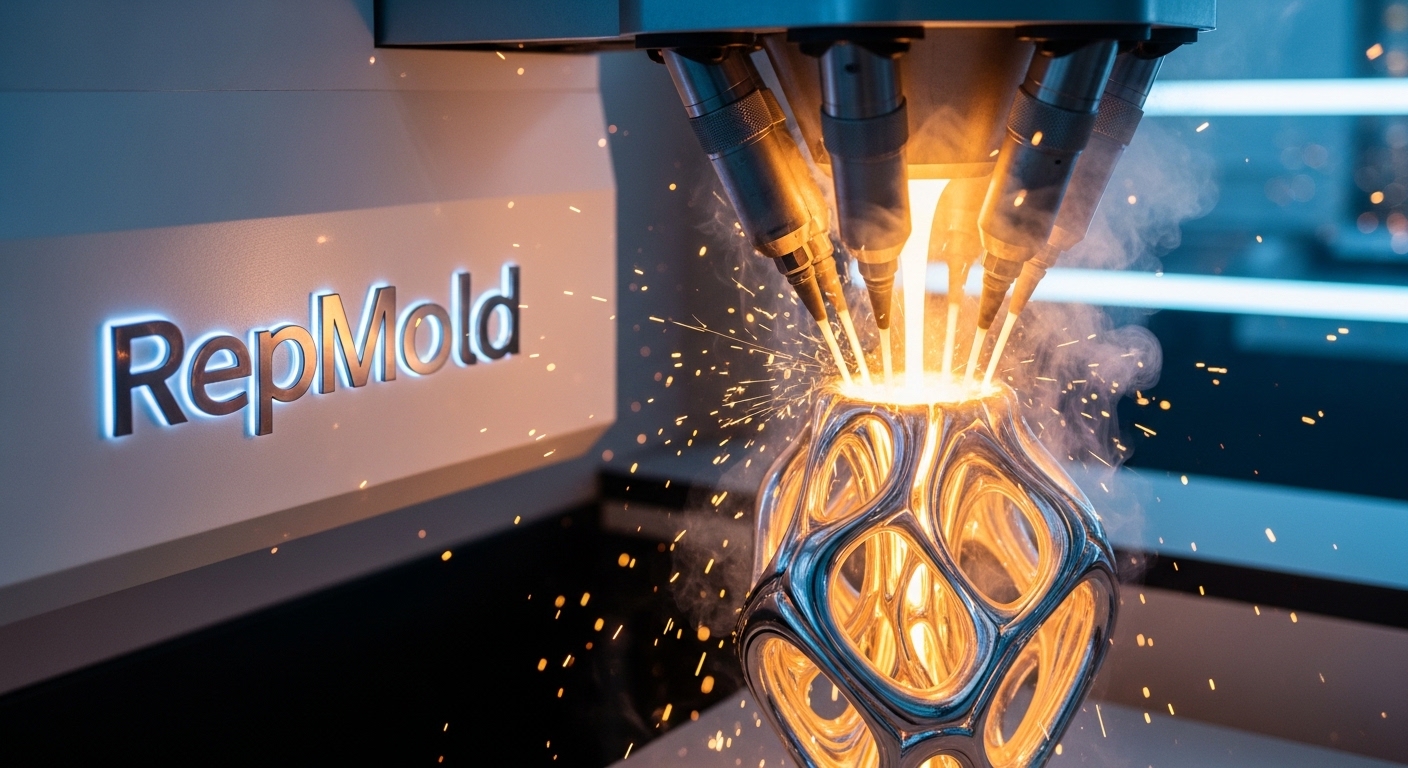
Enter RepMold—a game-changer in the world of molding technology. This innovative approach is set to redefine how industries think about creating molds and shaping materials. With a fresh perspective on efficiency and precision, RepMold opens up new possibilities for manufacturers across various sectors.
Curious about what makes RepMold stand out? Let’s dive deeper into this revolutionary method and explore its potential impact on the molding industry.
Limitations of traditional molding methods
Traditional molding methods have served industries for decades, but they come with significant limitations. One major drawback is the lengthy production time. Creating molds can be a slow process, often taking weeks or even months.
Cost is another critical factor. The initial investment in equipment and materials can be substantial. This high upfront cost deters many smaller businesses from entering the market.
Additionally, these methods lack flexibility. Once a mold is created, making changes typically requires starting over—a costly and time-consuming endeavor.
Quality control issues also arise frequently with traditional techniques. Variations in temperature or pressure during production can lead to inconsistencies in the final product.
As industries evolve and demand increases, relying solely on these outdated processes poses challenges that cannot be ignored.
What is RepMold and how does it work?
RepMold is an innovative approach to molding that leverages advanced materials and techniques. Unlike traditional methods, which often rely on heavy machinery and time-consuming processes, RepMold simplifies everything.
At its core, RepMold uses a combination of high-performance polymers and precise digital fabrication technologies. This allows for rapid prototyping and production without sacrificing quality. The process begins with a digital model that guides the creation of molds more efficiently than ever before.
The ease of customization is another standout feature. Companies can quickly adapt designs based on specific requirements or feedback from clients. This agility shortens lead times significantly compared to conventional molding practices.
RepMold streams lines operations by minimizing waste as well. With precise material usage, businesses can enhance sustainability while reducing costs in the long run.
Advantages of using RepMold
RepMold offers a fresh perspective on the molding process, streamlining production like never before. Its innovative technology reduces lead times significantly compared to traditional methods.
Precision is another standout feature. RepMold ensures consistent results with high accuracy, minimizing waste and maximizing efficiency. This means manufacturers can focus more on quality without worrying about flaws or defects.
Flexibility is key in today’s market, and RepMold shines here too. It easily adapts to different materials and designs, allowing for quick alterations when needed. This adaptability makes it ideal for various projects across industries.
Cost savings cannot be ignored either. By optimizing resource usage and reducing labor costs, businesses see tangible financial benefits over time. It’s a win-win situation that appeals to both small enterprises and larger corporations alike.
Applications of RepMold in different industries
RepMold is making waves across various industries, transforming how products are manufactured. In the automotive sector, it enables rapid prototyping of intricate components. This speeds up design iterations and enhances overall efficiency.
In consumer electronics, companies leverage RepMold for creating lightweight yet durable casings. This innovation leads to sleeker designs without compromising on protection.
The medical industry also benefits significantly from this technology. Custom molds for prosthetics can be produced quickly and accurately, improving patient outcomes.
Moreover, the packaging industry sees enhanced sustainability with RepMold solutions that minimize waste during production. Brands can create tailored packaging that meets specific needs while reducing their environmental footprint.
Even in construction, RepMold facilitates efficient creation of architectural elements by allowing more complex designs with less material use. Each application showcases its versatility and impact on modern manufacturing practices across diverse fields.
Testimonials from companies using RepMold
Many companies have begun to embrace RepMold, and the feedback is telling. A leading automotive manufacturer reported a significant reduction in production time. They praised RepMold for its efficiency, allowing them to streamline their processes without sacrificing quality.
A startup specializing in consumer electronics noted how easy it was to create intricate designs. The flexibility of RepMold enabled rapid prototyping that transformed concepts into tangible products swiftly.
In the medical device sector, one firm highlighted improved accuracy with complex molds. This advancement has led to enhanced product performance while minimizing material waste.
Another testimonial came from an aerospace company that emphasized cost savings achieved through reduced setup times. Their team appreciated the innovative approach that RepMold brings to traditional molding challenges.
These real-world applications illustrate how diverse industries are reaping benefits from adopting this groundbreaking technology.
Future developments and potential impact on the molding industry
The future of RepMold promises exciting developments that could fundamentally alter the molding landscape. As technology advances, we can expect enhanced precision and efficiency in the molding process.
Innovation in materials will likely play a significant role. With new composites emerging, manufacturers might create stronger yet lighter products that cater to specific industry needs.
Moreover, automation and artificial intelligence integration are on the horizon. These advancements could streamline production lines, reducing lead times while maintaining quality.
Sustainability is also becoming paramount. Future RepMold applications may focus on eco-friendly practices, promoting recycling and minimizing waste during manufacturing processes.
As industries evolve, so too will their demands for speed and customization. The adaptive nature of RepMold positions it as a solution ready to meet these challenges head-on. The potential impact spans multiple sectors—from automotive to aerospace—reshaping how companies approach their product development strategies.
Conclusion
The emergence of RepMold marks a significant shift in the molding industry. Traditional methods have long been constrained by their limitations, often resulting in longer production times and higher costs. RepMold disrupts this status quo with innovative technology that streamlines the process and enhances efficiency.
With its versatility and ability to cater to various industries, from automotive to aerospace, RepMold is paving the way for advancements we have yet to fully realize. Companies adopting this technology report not only improved output but also greater flexibility in design.
As more businesses explore what RepMold can offer, it’s clear that we are witnessing a transformative moment in manufacturing. The future looks bright as further developments emerge, promising even greater benefits for those willing to embrace this cutting-edge approach. The possibilities are endless, making it an exciting time for both manufacturers and consumers alike.