





Soutaipasu is more than just a craft; it’s a journey through Japan’s rich cultural tapestry. This intricate art form captivates the senses with its stunning designs and deep-rooted traditions. Each piece tells a story, weaving together history, symbolism, and craftsmanship that has been passed down through generations. From its humble beginnings to modern interpretations, Soutaipasu stands as a testament to human creativity and resilience.
In this blog post, we’ll delve into the fascinating world of Soutaipasu—exploring its origins, creation process, and significance in Japanese culture. Whether you’re an art enthusiast or simply curious about unique crafts from around the globe, there’s something here for everyone. Join us as we uncover the beauty behind Soutaipasu!
History and origins of Soutaipasu
Soutaipasu traces its roots deep into Japan’s rich cultural tapestry. Originating during the Edo period, this intricate craft was initially a form of expression among artisans seeking to showcase their skills.
The name itself reflects a blend of traditional techniques and local influences. Early practitioners utilized natural materials sourced from their surroundings, emphasizing sustainability long before it became a modern concern.
As time progressed, Soutaipasu evolved alongside societal changes. It began to incorporate elements from various regions and cultures, adapting while maintaining its core principles. This evolution enriched the craft without losing sight of its historical significance.
Today, Soutaipasu serves as both an art form and a testament to Japan’s enduring craftsmanship. Each piece tells a story that connects generations past with those present, ensuring the legacy continues on in vibrant detail.
The process of creating a Soutaipasu piece
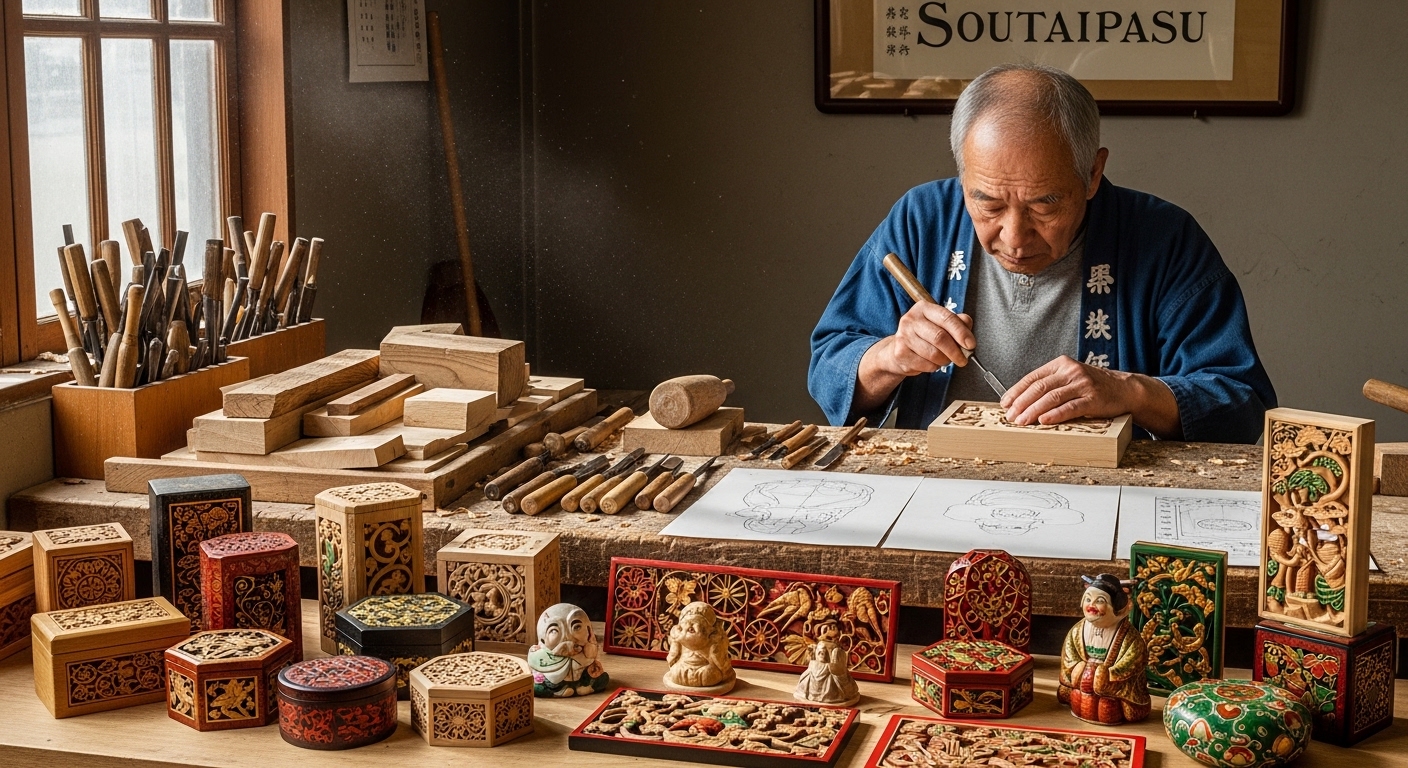
Creating a Soutaipasu piece is an intricate dance of craftsmanship and creativity. Artisans begin with high-quality materials, often selecting from natural fibers or traditional fabrics that carry their own stories.
The process starts with sketching designs inspired by nature or cultural motifs. Each line is deliberate, reflecting the artisan’s vision and respect for tradition.
Next comes the meticulous handcrafting phase. This involves weaving, stitching, or dyeing techniques passed down through generations. Every stitch counts; precision is key to ensuring durability and beauty.
Color selection plays a vital role in this craft too. Artisans choose shades carefully, as colors hold significance and contribute to the overall narrative of each piece.
As layers build up, the Soutaipasu emerges not just as an object but as a vessel of meaning—an embodiment of history woven into every fiber. The final touches are where personal flair shines through, making each creation uniquely captivating.
Symbolism and meaning in Soutaipasu designs
Soutaipasu designs are rich with symbolism, each piece telling a story or conveying deep emotions. The intricate patterns often reflect nature’s beauty—mountains, rivers, and flora all play significant roles in the visual language of this craft.
Colors hold meaning too. For instance, vibrant reds may symbolize good fortune and happiness, while soft blues evoke tranquility. Each choice is intentional and resonates with cultural significance.
Shapes matter just as much; circular forms can represent eternity or unity in relationships. Meanwhile, angular designs might signify strength or resilience.
These elements work harmoniously to create not only aesthetic appeal but also spiritual connections for those who appreciate Soutaipasu art. Every creation invites observers to explore their own interpretations and personal reflections on life’s journey through its intricate details.
The role of Soutaipasu in Japanese culture
Soutaipasu holds a significant place in the heart of Japanese culture. This intricate craft transcends mere artistry; it’s a form of storytelling deeply rooted in tradition.
Each piece reflects cultural nuances and historical narratives, showcasing Japan’s rich heritage. From weddings to festivals, Soutaipasu items often play vital roles during important life events and ceremonies.
Additionally, artisans view their work as an homage to ancestors. The meticulous methods passed down through generations emphasize respect for craftsmanship and time-honored techniques.
Moreover, Soutaipasu serves as a bridge between past and present. Modern interpretations infuse contemporary themes while respecting traditional aesthetics. This balance showcases adaptability within Japanese society today.
As such, Soutaipasu is more than just decorative art; it embodies community values and shared identity among people. Its presence enriches daily life, reminding everyone of beauty found in history and creativity intertwined.
Modern adaptations and innovations in Soutaipasu
Modern adaptations of Soutaipasu showcase a blend of tradition and contemporary flair. Artisans are exploring new materials, incorporating elements like resin and metal into their designs. This fusion not only enhances durability but also broadens the aesthetic appeal.
Innovative techniques are emerging as well. Some craftspeople experiment with laser cutting technology, allowing for intricate patterns that were once labor-intensive to create manually. This evolution invites a younger audience to appreciate the art form.
Soutaipasu is now finding its way into modern decor, fashion accessories, and even tech products like phone cases. Designers are reimagining traditional motifs in fresh contexts while retaining their cultural significance.
Social media platforms have played a pivotal role in this transformation. They provide artisans with greater visibility, helping them reach audiences beyond geographic boundaries. The craft continues to evolve while honoring its rich heritage.
Preserving the traditional art form for future generations
Preserving the traditional art of Soutaipasu requires a collective commitment from artisans and enthusiasts alike.
Workshops and community events play a crucial role in sharing techniques with younger generations. By inviting newcomers to participate, the craft can thrive through fresh perspectives.
Educational programs that integrate Soutaipasu into school curriculums offer students hands-on experience. This fosters appreciation for cultural heritage while igniting creativity.
Digital platforms also provide opportunities for wider reach. Online tutorials and virtual exhibitions allow global audiences to appreciate this unique craftsmanship.
Moreover, collaboration between modern artists and traditional artisans encourages innovation without losing authenticity. Blending contemporary designs with age-old techniques keeps Soutaipasu relevant in today’s market.
Supporting local craftsmen through fairs or marketplaces further cultivates interest in this beautiful tradition. The more people engage, the stronger the foundation for future preservation becomes.
Conclusion
Soutaipasu is more than just a craft; it embodies the essence of Japanese culture and artistry. From its rich history to its intricate designs, each piece tells a story that connects generations. The process of creating Soutaipasu requires not only skill but also deep respect for tradition.
As artisans innovate and adapt this timeless craft, they ensure that Soutaipasu continues to thrive in modern society. By preserving these techniques, future generations will have the opportunity to appreciate and engage with this unique art form.
Whether you are an enthusiast or simply curious about Japanese crafts, appreciating Soutaipasu opens doors to understanding a broader cultural narrative. Engaging with these artistic traditions enriches our lives and deepens our connection to the world around us. Embracing such traditions ensures they remain vibrant for years to come.